
As reported on November 17, 2026, Circle’s third-quarter results showed a larger flow of payments through Circle Payments Network (CPN). They did not show how much revenue CPN itself earned. That distinction matters when assessing whether stablecoin settlement can become a recurring business alongside income from USDC reserves.
More payments, an undisclosed fee take
CPN connects financial institutions for cross-border settlement using stablecoins. Its annualized payment volume, measured at quarter-end, rose from $8.3 billion in Q1 to $14.7 billion in Q2 and $41.3 billion in Q3. The Q3 figure extrapolates roughly $3.4 billion of volume in the preceding 30 days; it is not a full year of completed payments.
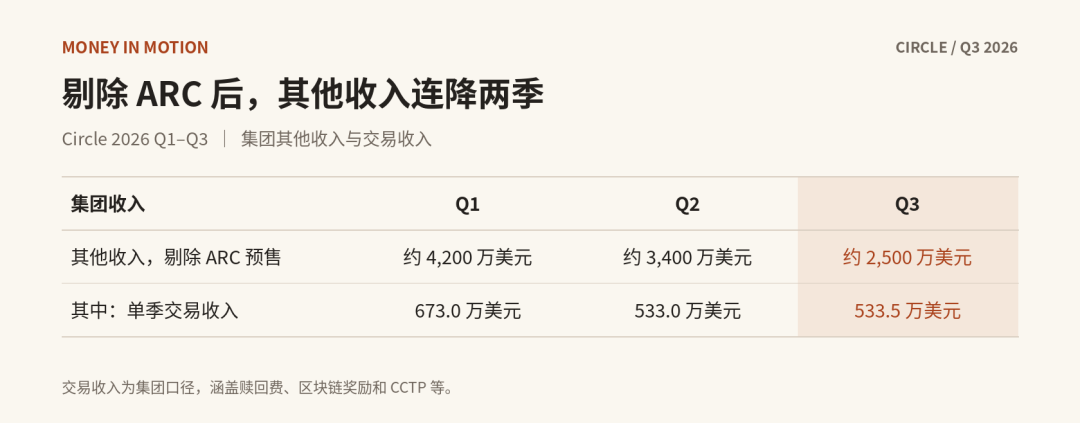
The original analysis calculates that a hypothetical 5-basis-point fee (0.05%) on the Q3 exit-rate volume would yield about $20.65 million annually. It is an illustration, not disclosed CPN revenue. Circle reported transaction revenue only at the group level, a category that also includes redemption fees, blockchain rewards and digital-asset transaction infrastructure, including CCTP. The results therefore do not reveal which CPN payments were charged or what Circle collected from them.
What the proposed Tazapay deal could change
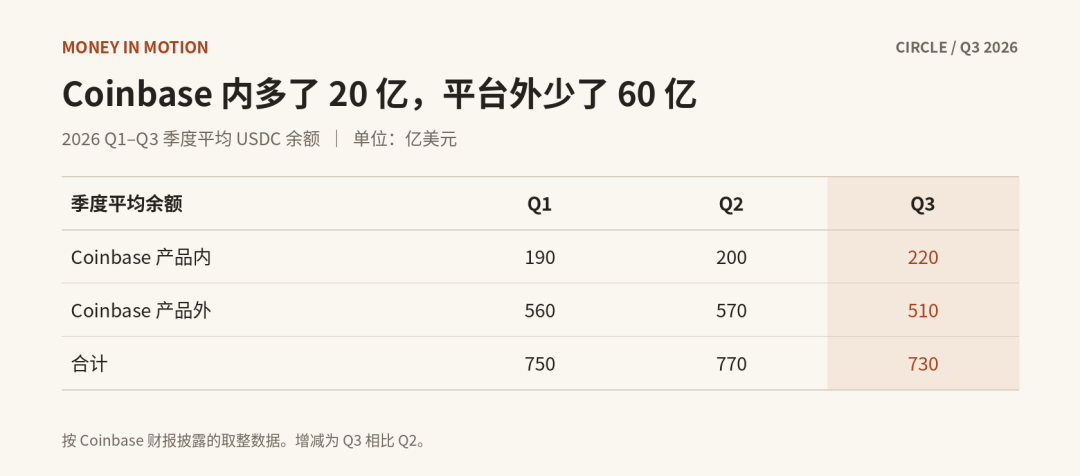
Circle proposed buying the Tazapay shares it did not already own for approximately $400 million in stock, subject to closing adjustments. Tazapay, already a CPN design partner, had annualized payment volume exceeding $25 billion, about 60% of it involving stablecoins. Its customer relationships and local payout network could give Circle more ways to serve payments from settlement through conversion and payout. The acquisition was still a proposal in the original report, with closing expected in 2027.
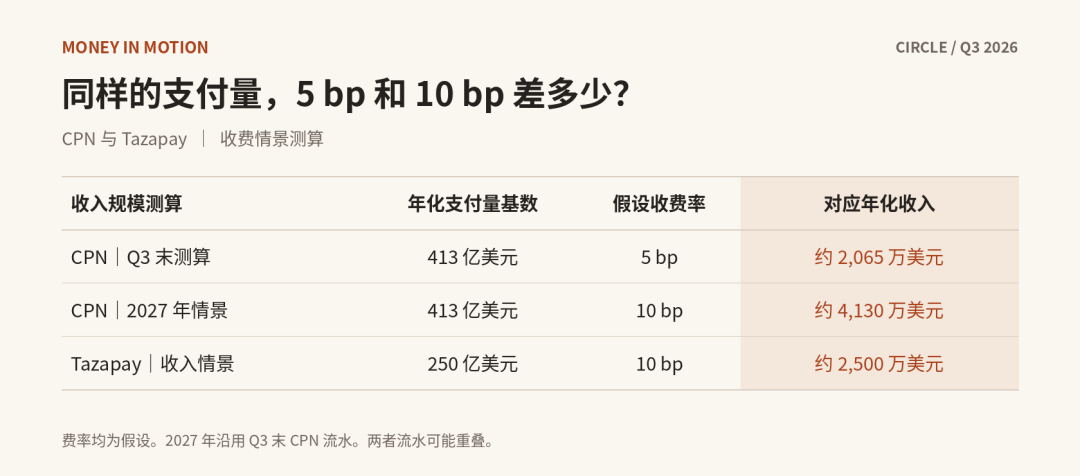
At a hypothetical 10-basis-point fee on CPN’s Q3 exit-rate volume, the original analysis estimates about $41.3 million in annualized revenue. Actual revenue would depend on which transactions attract fees, who charges them and how proceeds are shared. Tazapay’s and CPN’s volumes may overlap, so their payment flows cannot simply be added together.
Why reported profit is not a payment-revenue answer
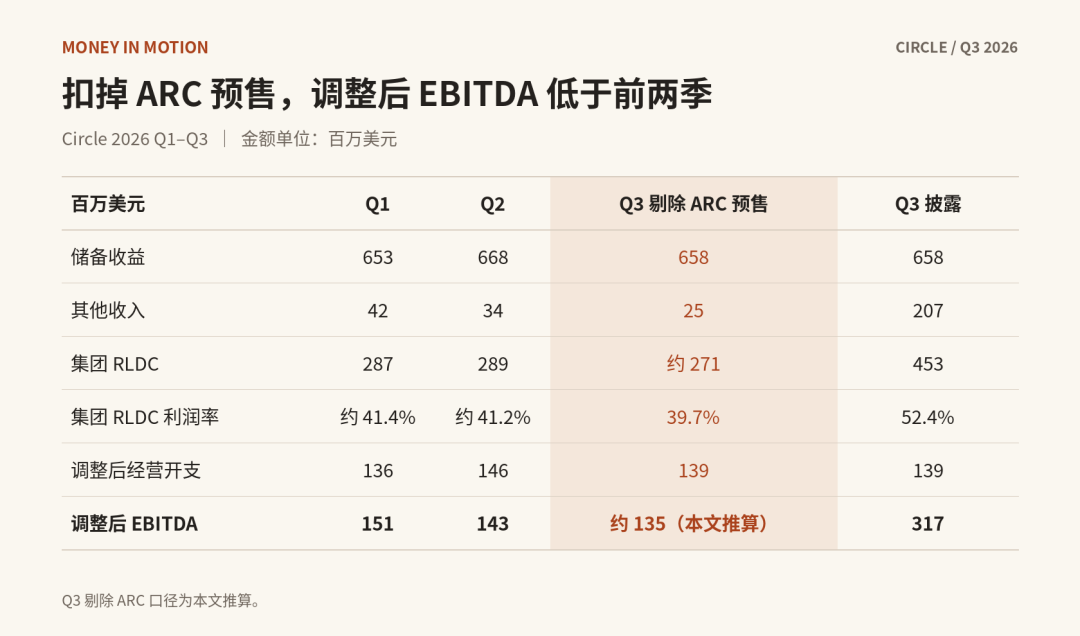
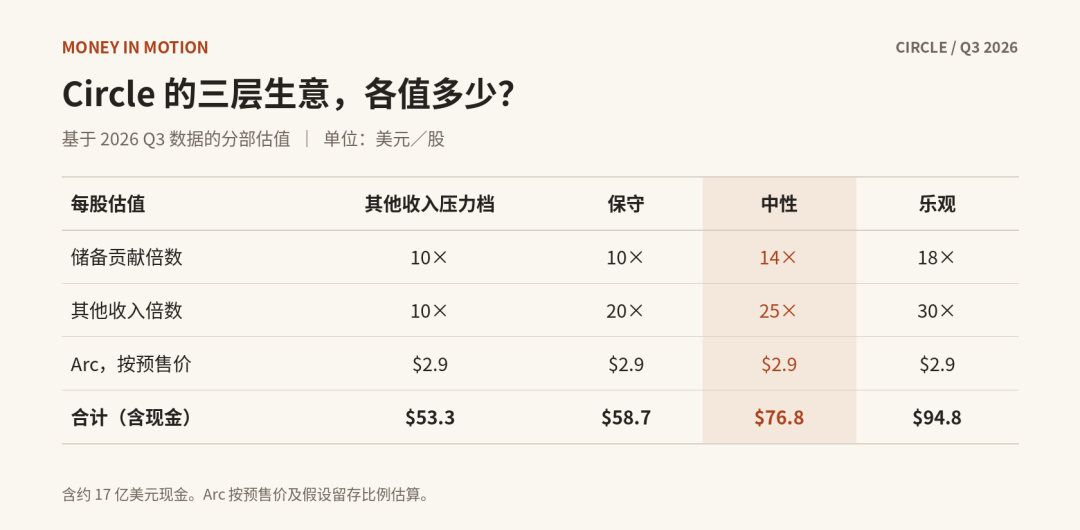
Circle reported $865 million in Q3 total revenue and reserve income, including $658 million in reserve income and $207 million in other revenue. About $182 million of other revenue came from Arc token presales. Excluding that item leaves approximately $25 million in other revenue, which also includes activities beyond payments.
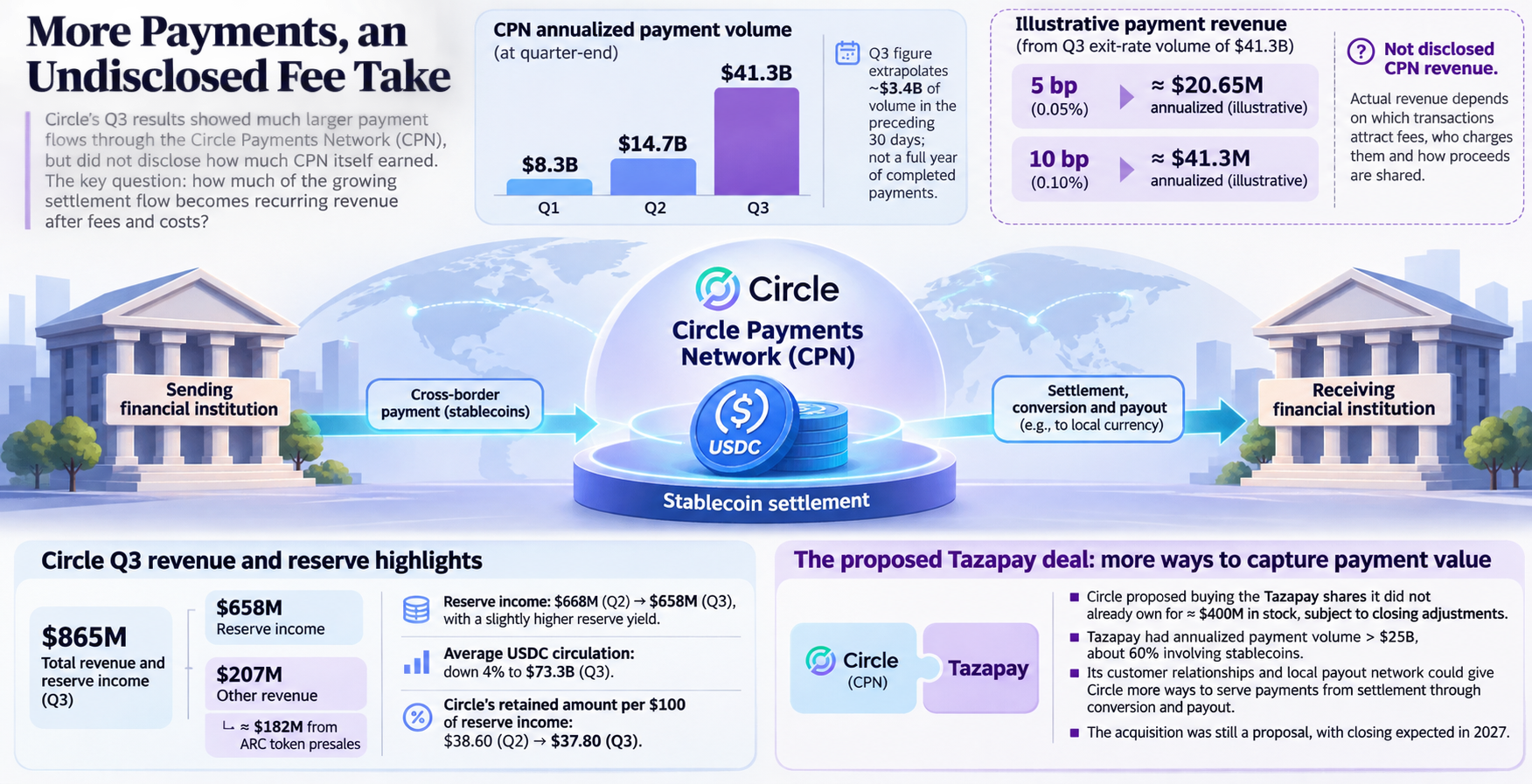
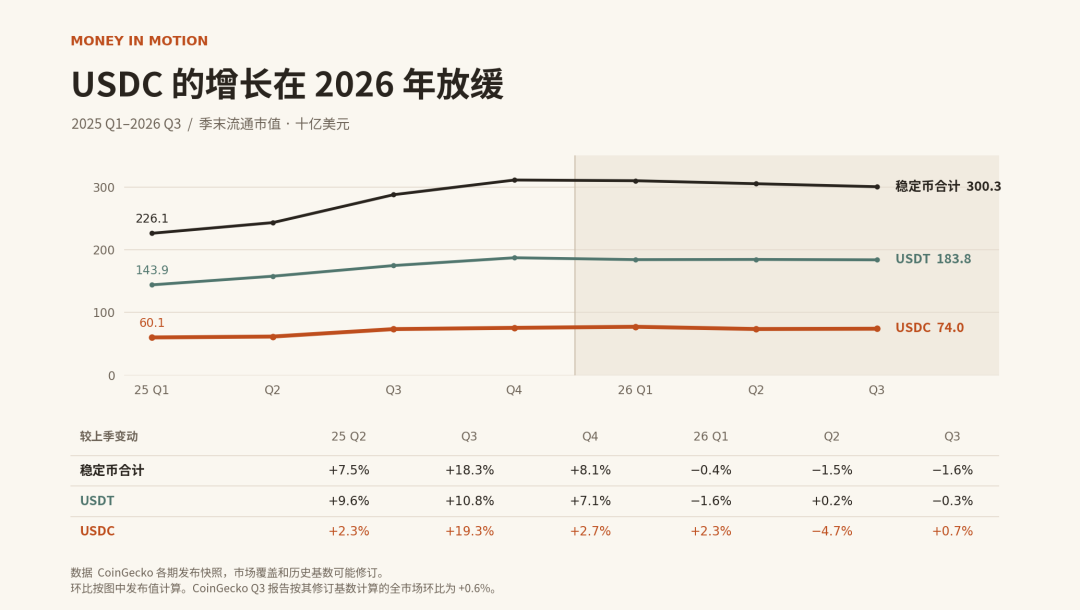
Reserve income fell from $668 million in Q2 to $658 million in Q3 despite a slightly higher reserve yield, as average USDC circulation declined 4% to $73.3 billion. The original analysis also calculated that Circle retained $37.80 after relevant distribution and transaction costs for each $100 of reserve income, down from $38.60 in Q2. For the payment business, the unanswered question is more specific: how much of the growing settlement flow becomes recurring revenue after fees and costs.